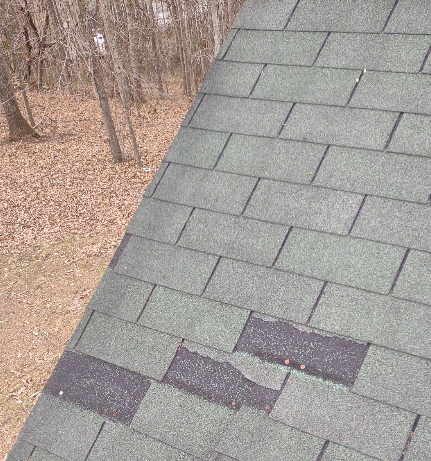
Roof granule loss is one of the most common concerns homeowners in Richmond notice when checking their asphalt shingle roof. You may see granules in your gutters, loose granules at the base of your home, or bare spots forming on roof shingles.
While granule loss is normal to a degree, excessive granule loss can shorten a roof’s lifespan and lead to costly repairs if it goes unchecked. Understanding what causes granular loss and knowing when it signals real roof trouble can help protect your home, energy efficiency, and investment.
Key Takeaways
- Granule loss is normal as asphalt shingles age, but excessive granules often indicate deeper shingle damage.
- Severe weather and harsh weather conditions in Richmond can dislodge granules and accelerate shingle deterioration.
- Missing granules reduce fire resistance, UV protection, and the roof’s ability to shed water.
- Regular inspections by a professional roofing contractor help identify premature granule loss early.
- Ignoring significant granule loss increases the risk of roof leaks, water stains, and roof decking damage.
Common Causes of Roof Granule Loss in Richmond Homes
Understanding why shingles lose granules helps homeowners separate normal wear from premature damage. In Richmond, a combination of aging materials, local weather patterns, and installation factors often contribute to granular loss on asphalt roofs.
Normal Aging of Asphalt Shingles
Asphalt shingles lose granules gradually as part of the normal aging process, especially on older roofs in Richmond, where constant exposure to sun damage and UV radiation breaks down the asphalt layer. Over time, shingles lose their protective granules, which is expected and usually shows up as a few granules in your gutters without immediately affecting the roof’s condition.
Severe Weather and Storm Damage
Severe storms, strong winds, hail damage, and heavy rain, common to Richmond, can dislodge granules from roof shingles in a short period of time. Storm damage often causes premature granular loss by striking or lifting shingles, allowing wind-driven rain and debris to strip away the protective layer that granules provide.
Foot Traffic and Physical Impact
Foot traffic from maintenance work, holiday decorations, or improper inspections can loosen granules on an asphalt shingle roof. When shingles are walked on incorrectly, granules become loose and shingles lose their protective granules faster, leading to cracking shingles and accelerated shingle deterioration requiring shingle replacement.
Improper Installation or Poor Quality Materials
Roofs that were not installed correctly or built with poor-quality materials may experience premature granule loss much earlier than expected. In these cases, shingles lose granules unevenly, creating bald spots and bare spots that fail to provide adequate protection against heat absorption, UV rays, and future weather damage.
How to Tell When Granule Loss Signals Real Roof Trouble
Not all granule loss requires immediate action, but certain warning signs should never be ignored. These indicators, usually found during routine roof inspections, help Richmond homeowners recognize when granular loss has progressed from normal aging into a condition that threatens the roof’s performance and lifespan.
Granules in Your Gutters After Every Storm
Finding granules in your gutters after severe storms or heavy rain is a clear warning sign when the granule amount becomes excessive. While a few granules are normal, too many granules indicate significant granule loss that reduces the roof’s ability to shed water and protect the asphalt roof beneath.
Bald Spots and Missing Granules on Shingles
Visible bald spots or missing granules on roof shingles expose the asphalt layer directly to sun damage and UV radiation. These bare spots weaken the roof’s protective granules, increasing heat absorption and raising the risk of roof leaks and premature damage.
Interior Water Stains and Roof Leaks
When granules matter most is when they are gone and water stains begin appearing inside your home. Granules shield shingles from moisture, so excessive granule loss often leads to roof leaks, damaged roof decking, and costly roof repairs if not addressed by a roofing professional.
Rapid Deterioration on a Relatively New Roof
If a new roof or asphalt shingle roof shows excessive granule loss within just a few years, this often signals improper installation, storm damage, or defective materials. Premature granule loss on a newer roof almost always requires a professional roof inspection to prevent further damage and potential insurance coverage issues.
Schedule a Professional Roof Inspection Before Granule Loss Turns Into Costly Damage
If you are concerned about roof granule loss in Richmond, Kentucky, working with a trusted professional roofing contractor makes all the difference.
Barrier Roofs provides detailed roof inspections to determine whether granule loss is normal wear or a sign of serious shingle damage. Our team understands how Richmond’s severe weather and aging process affect asphalt shingles and can recommend the right solution, whether that is maintenance, repair, or roof replacement. Contact us to schedule a professional inspection and protect your roof’s lifespan.
Frequently Asked Questions
Is granule loss normal on an asphalt shingle roof?
Granule loss is normal over time as part of the aging process, especially on older roofs exposed to constant sun damage and harsh weather conditions. However, excessive granule loss or premature granular loss often signals shingle damage that should be evaluated by a roofing professional.
How many granules in gutters is considered too many?
A few granules in your gutters after installation or minor storms are expected, but excessive granules appearing after every heavy rain or severe storm usually indicate significant granule loss. This level of granular loss reduces the roof’s ability to provide adequate protection and often requires a roof inspection.
Can granule loss affect energy efficiency and fire resistance?
Yes, granules protect asphalt shingles by reflecting UV rays, reducing heat absorption, and improving fire resistance. When shingles lose granules, the roof absorbs more heat, energy efficiency drops, and the protective layer designed to resist fire and weather damage is compromised.
Will insurance coverage help with roof replacement due to granule loss?
Insurance coverage may apply when granule loss is tied to storm damage, hail damage, or severe weather events. A professional roof inspection and documentation from an experienced roofing contractor are often required to determine eligibility and support an insurance claim.